

Why Orso exists.
Orso began as a personal response to a simple need: a quieter, kinder and more thoughtful way to care for mental and physical wellbeing on iPhone.
Orso is currently available only on iPhone. It does not yet work on iPad, Apple Watch, Mac or Apple Vision Pro. Support for additional Apple devices is part of the long-term vision, always within a more coherent Apple ecosystem experience.
Built by one person, with a direction shaped by lived experience rather than corporate growth logic.
Created to make technology feel more supportive, more private and more emotionally intelligent in everyday life.
Designed around the privacy, clarity and fluidity expectations people associate with iPhone.
It started from a feeling that most digital tools were missing something essential.
Orso is developed by a single independent creator. The app grew out of everyday reality: trying to study, work, navigate relationships, manage pressure and stay mentally afloat in a world that constantly asks for more attention, more speed and more output.
The ambition was never to build another productivity tracker. It was to create a more intimate digital space, one where feelings, energy, recovery and the body could receive the same quality of attention as schedules, deadlines and to-do lists.
In that sense, Orso was never only about software. It was about designing a different tone. Something calmer. Something more private. Something that feels like support instead of performance.
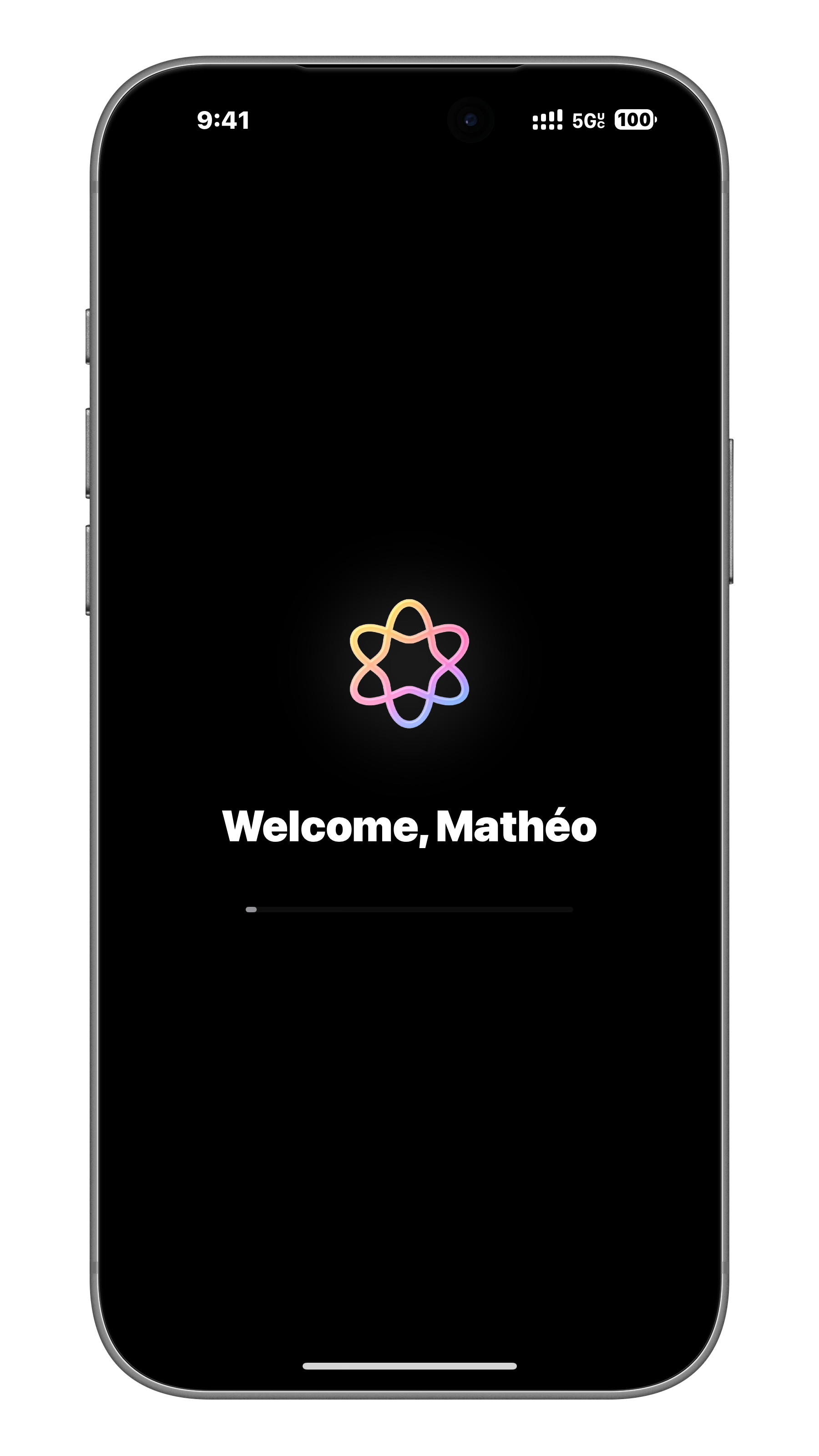
A name shaped by quiet strength.
The bear inspired the name Orso. A presence that can seem distant or solid from the outside, while still needing safety, rest, space and understanding. That idea sits at the center of the brand.
Orso is built for people who may appear organised, capable or composed, while carrying a lot internally. The name reflects that contrast: visible strength, invisible sensitivity.
The product is intentionally small in scale, and deliberate in direction.
Orso is not being built by a large multidisciplinary organisation. That changes the rhythm of the roadmap, the way trade-offs are made and the way the product evolves over time.
Built with creative services
Orso relies on a range of modern tools, from design and 3D services like Spline to writing and ideation support through systems such as ChatGPT and Google Gemini, along with Apple technologies like Apple Intelligence when available.
These tools support thinking, prototyping, interface design, animation and product framing. They assist the creative process. They do not define the purpose of the product.
One person, not a big company
Orso is designed, shaped and maintained by a single person. There is no marketing department behind it, no sales team and no advertising network deciding what the product should optimise for.
That independence allows decisions to stay closer to product integrity: what feels respectful, sustainable, premium and genuinely useful over time.
No medical device, no diagnosis
Orso is not a medical device. It does not diagnose conditions, replace therapy or substitute medical care. Its role is reflective and supportive, not clinical.
The product is meant to sit next to professional support, not instead of it. It can help users observe patterns, prepare thoughts and structure conversations more clearly.
No formal clinical partners yet
At this stage, Orso has not been developed in formal collaboration with doctors, psychiatrists, psychologists or healthcare institutions. The product direction is informed by public research, product thinking and lived experience.
In the future, collaboration with mental health professionals and researchers remains part of the broader vision.
iPhone only, on purpose
Orso is designed for the Apple ecosystem deliberately. Focusing on iPhone means building on a platform where privacy, hardware security, performance consistency and design coherence can work together more naturally.
Every part of Orso depends on technologies that can be understood and trusted, from on-device protections to the quality of system-level experiences. Staying within the Apple ecosystem keeps the product simpler, more coherent and more aligned with the type of intimate wellbeing data it is meant to support.
A story that grows in stages.
Orso did not begin as a finished company narrative. It is evolving the way the product itself is evolving: step by step, with more precision, more maturity and a clearer sense of what kind of presence it wants to become.
Personal need
The first impulse came from a simple emotional gap: the lack of a digital space that felt calm enough to hold reflection without turning it into another performance system.
Product language
From there, the vision became clearer: Orso should feel premium, emotionally aware, visually composed and rooted in the quality expectations of the iPhone experience.
Long-term vision
The next stage is broader: a more complete wellbeing companion that helps people notice patterns, protect energy and approach everyday life with more clarity and softness.
A companion for ordinary life, not idealized life.
Orso is designed for the moments that rarely look dramatic from the outside but matter deeply on the inside. Quiet pressure, emotional fatigue, changing energy, subtle tension, small recovery, and the need to understand oneself more clearly.
Everyday moments
Orso is for evenings after classes, pauses between meetings, late-night reflection, Sunday heaviness and the quieter moments when a person simply needs a more honest way to check in with themselves.
Conversations with trust
It is also designed to support real conversations with therapists, doctors, partners, friends and family. Summaries and reflection can help users remember what happened, what shifted and what still needs to be said.
The ambition is not to make wellbeing louder.
It is to make it feel more natural, more beautiful, more private and more integrated into the reality of everyday life.
Orso exists because a more thoughtful kind of technology should be possible, especially in the parts of life that matter the most and are often spoken about the least.