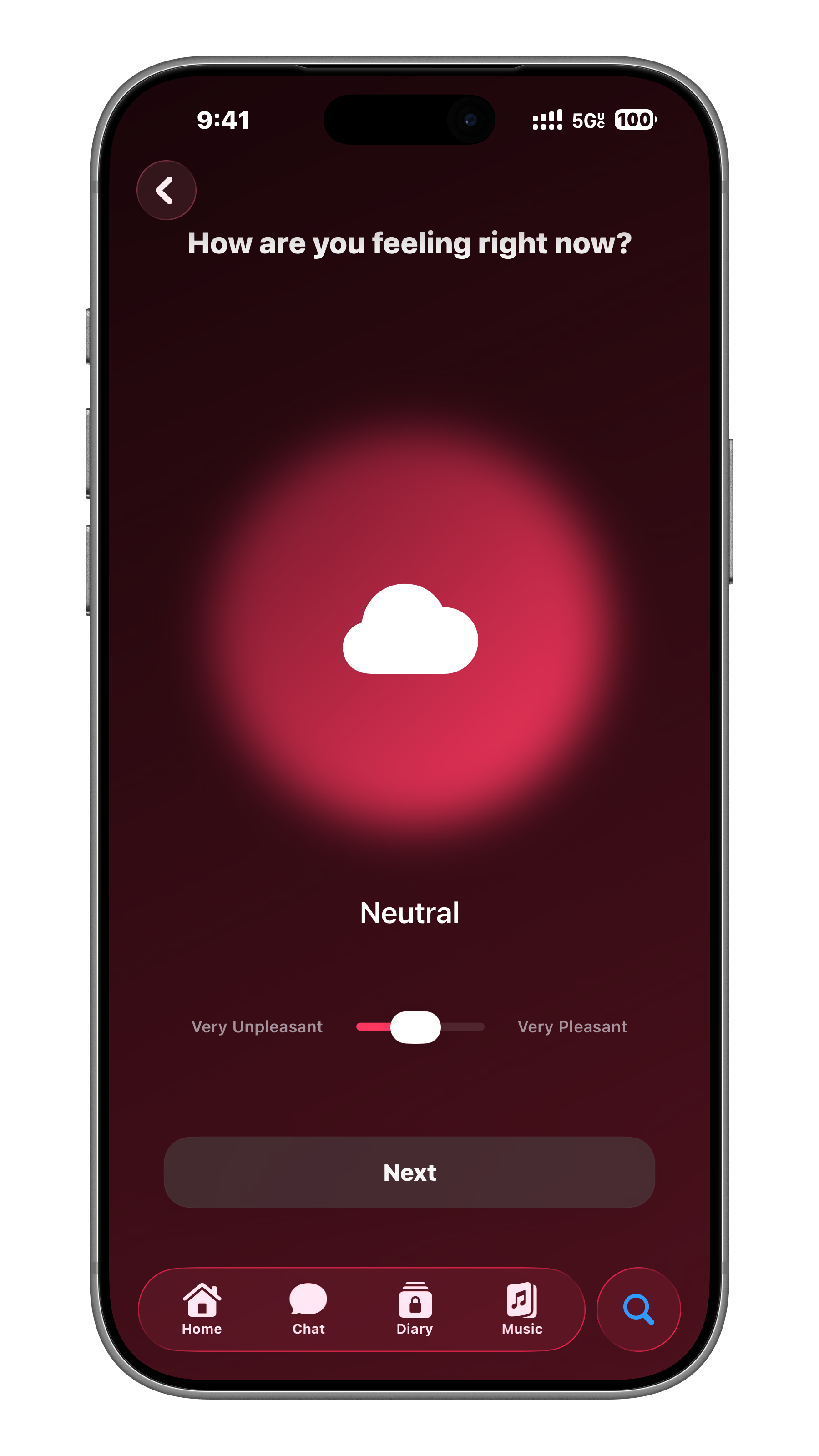



Foundation
The first layer focuses on presence, emotional check-ins, simple routines and a product language that feels calm from the first interaction.
- Core mood and reflection system
- Personal onboarding flow
- Daily rhythm and guided prompts
Orso is being built as a calmer operating layer for everyday mental and physical wellbeing. Personal, intelligent and quietly supportive by design.
Orso is not being designed as a dashboard full of pressure. The product vision is closer to a calm layer that helps people understand patterns, protect energy and move through life with more clarity.
The vision for Orso starts with one belief: wellbeing technology should feel quieter, more respectful and more human than most software. It should reduce friction, not create it. It should help people notice themselves more clearly, not perform for an interface.
That is why Orso is being designed less like a dashboard and more like a personal system. A space where reflection, body signals, habits and guidance can live together in a way that feels coherent, premium and emotionally intelligent.
The product vision is not built around performance theater or endless productivity rituals. It is built around the real gaps in a day: after a difficult message, before a stressful class, during a heavy afternoon, after a restless night.
Orso aims to become the layer that helps people slow down, see patterns, protect energy and prepare more honest conversations with themselves and with others.
The roadmap is structured around a few strong pillars rather than dozens of disconnected features. Each capability should deepen the feeling that Orso understands context, protects intimacy and helps transform emotion into clearer action.
Future updates connect mood, sleep, movement and daily context into a more coherent story. By combining Apple Health signals, behavioral rhythm and time-based context, Orso will help users understand why certain days feel heavier, clearer or more fragile than others.
We are building a secure export format called the Mental Health Snapshot. It is designed to make sessions more useful from the beginning by gathering relevant notes, trends, sleep patterns and emotional signals into something concise, structured and easier to share intentionally.
Orso will favor meaningful trends over stressful dashboards. Instead of turning wellbeing into constant performance, the product aims to surface softer insights about seasons, study cycles, work intensity, social rhythm and recovery patterns that actually feel usable.
The roadmap includes stronger safety layers for difficult moments, with clearer language, better framing, trusted-contact logic and more transparent boundaries around what AI can and cannot do. Orso should feel supportive, never manipulative or falsely authoritative.
Orso is being shaped progressively. The goal is to make each layer stronger before adding the next, so the product keeps its clarity, premium feel and trustworthiness as it grows.
The first layer focuses on presence, emotional check-ins, simple routines and a product language that feels calm from the first interaction.
The second layer introduces stronger pattern detection, clearer summaries and deeper links between body signals, emotional states and time-based context.
The third layer is about preparing real-world conversations better, through export, sharing logic and tools that make wellbeing data easier to use intentionally.
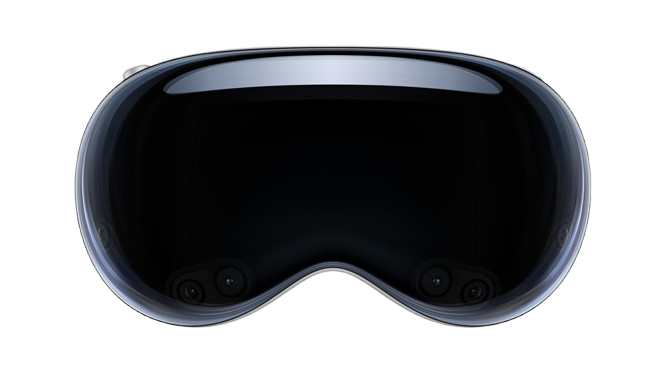
We are also exploring what a more immersive version of Orso could look like through spatial computing. The ambition is not spectacle. It is to create quiet digital spaces for breathing, body scans, reflective journaling and restorative focus, where the environment itself supports calm.
Orso is also created by a single independent, non-clinician creator and has not been developed in formal collaboration with healthcare institutions or clinics. The direction is informed by user needs, public literature, interface care and real-life emotional context, while staying clear about the limits of a non-clinical product.
These principles matter as much as the features themselves. They define the tone of the product and the way every new capability should feel once it reaches the user.
Every screen should be understandable quickly, without turning wellbeing into an exhausting system to manage.
Insights should lower cognitive load, not create pressure, guilt or a feeling of being constantly monitored.
Sensitive information should remain as close to the user as possible and permissions should always feel explicit and understandable.
Orso should help users prepare better decisions and conversations, while staying honest about the limits of digital support.
To build a wellbeing product that feels as refined as premium technology, as respectful as a private journal and as useful as a system people actually want to return to every day.
Not louder. Not busier. Just more personal, more thoughtful and more aligned with how people truly live.